PRIDE Advocacy Matters
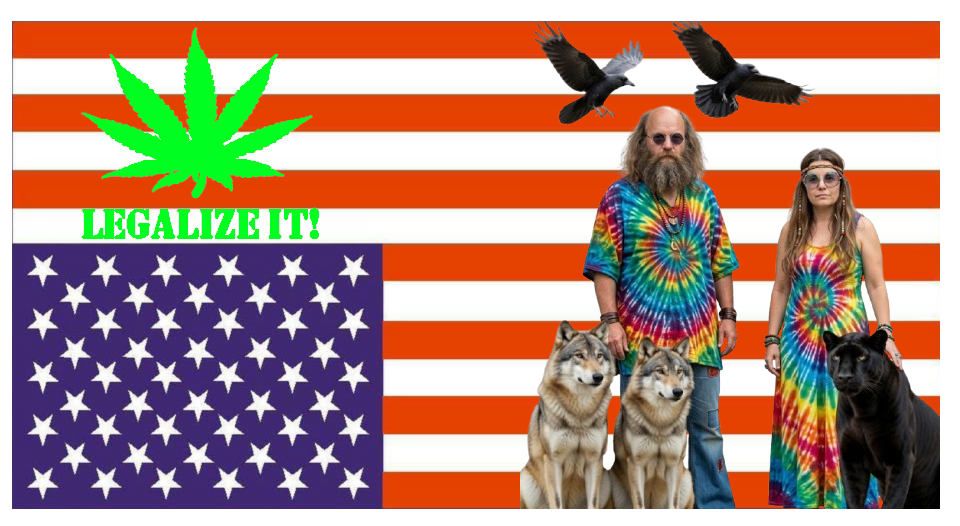
The time has come for me to speak out about prejudice and the ways people get targeted for who they are—especially along the sexual identity spectrum. I’m a straight white man, and I’m taking a stand not because it’s entertaining, but because responsible advocacy matters. Real change starts when we stop making excuses and start practicing decency.
I was raised during a time when multi-racial marriages were considered taboo. Yes, it was the late 1970s, when the disco era was fading and many people in my parents' generation were drifting toward more conservative politics. I mention it because context matters: it helps explain where my assumptions came from before I outgrew them.
In the 1980s, misinformation and propaganda were everywhere. We were taught to fear and mock people whose lives we didn’t understand, and we absorbed the cheap cruelty that society pretended was “just humor” or “just tradition.” At that time, insults were thrown around like weapons—words meant to humiliate anyone considered “different.” The era also fed broader moral panic, with pressure on artists and pressure on families to conform. It was a confusing, harmful time to grow up in, and I can’t pretend otherwise.
Questions Worth Asking
Why am I taking a stand now?
Because I understand what bullying feels like—first from the inside, then from watching others carry the same pain. In my case, I was bullied through what was labeled intellectual disabilities. Later, as an adult, I realized my learning style didn’t match the school’s idea of “normal.” I was conditioned to shrink, to hide, to behave the way others demanded. That’s why I take conversion therapy and any effort to “correct” a person’s humanity seriously. I’m not making light of it. I’m saying: stop it. The harm is real.
It isn’t easy to be labeled and treated as less than human for being wired differently. It
can break your confidence, your sense of safety, and your ability to trust yourself. I’m not claiming to be
perfect—I’m claiming that I’m trying to be better. Sometimes that means confronting prejudice, including
prejudice I might still carry without noticing. This is me doing that work in public.
I’m also candid about my own limits: I’m not comfortable with same-sex attraction, and I respect my lane. But I
refuse to use my discomfort as an excuse to mock people, deny their dignity, or participate in stereotypes. And
here’s what changed me. I saw two gay men in a thrift store—two people who looked like ordinary neighbors—and the
way they treated each other was humane, affectionate, and sincere. It was the first time I understood,
viscerally, that what I’d been trained to fear was not a caricature. It was people. In under twenty minutes, they
challenged me to reexamine not only my attitudes toward LGBTQ+ people, but my own marriage. No straight pastor
had offered me that kind of healing clarity in a way that landed like that.
So if you’re a pastor—or anyone—who claims scripture gives permission to hate people who are different from you, reread the words of Jesus. He taught to love God first, and then to love your neighbor as yourself. No qualifiers. No exceptions. If your doctrine requires cruelty, it isn’t doctrine—it’s an excuse.
And if someone needs medical intervention and the only qualified help comes from a gay man, a lesbian, a transgender person, or anyone who doesn’t live by your personal preferences—are you seriously going to refuse care and risk someone’s health because of your bias? My answer is no. I would accept help, show gratitude, and ask respectful questions as a way to learn the person, not to reduce them to a label.
Finally: I will take a stand against prejudice—even my own—because compassion is not a mood, it’s a practice. And bullying anyone is never OK. In my case, being the target of bullying will not be met with cruelty from me. It will be met with restraint, exposure of wrongdoing where appropriate, and consequences for the bully—at minimum embarrassing them publicly, and if the situation requires it, escalating through appropriate, lawful channels. The goal is to stop harm, not to create more of it.